Greetings from the desert.
For quite some time, I’ve followed Homes on Wheels Alliance (HOWA) and Bob Wells, the organization’s founder. Bob is also known for his appearance in Nomadland, where he played himself and served as a consultant, sharing his real-world experience as a nomad.
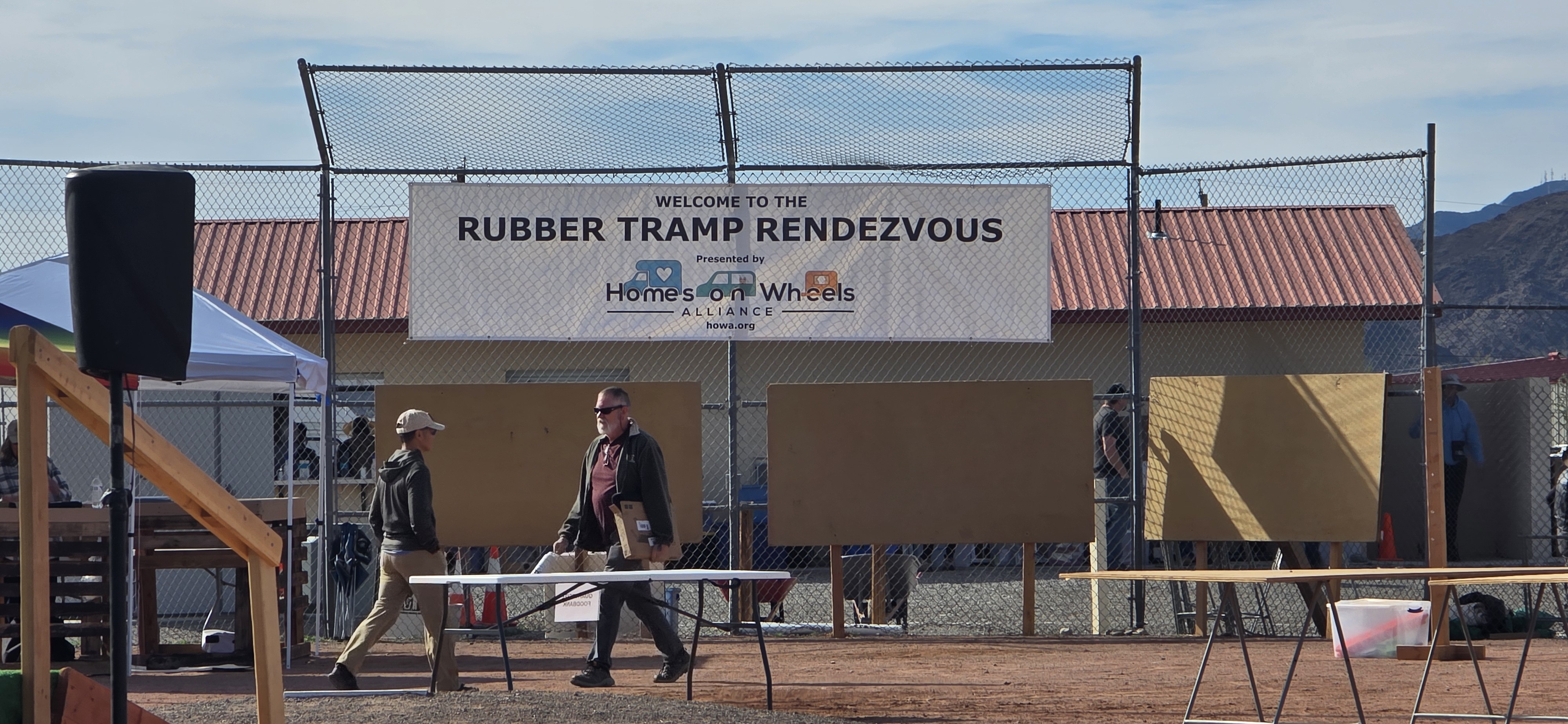
Each year, HOWA hosts an event called the Rubber Tramp Rendezvous (RTR). The name can sound strange at first, but it makes sense when broken down. Traditionally, a “tramp” refers to someone who travels from place to place on foot. Add “rubber,” and it becomes someone who travels on the rubber of their tires.
They also host a women’s-only event, the Women’s RTR (WRTR), which takes place just before the main gathering.
A Community That Defies Stereotypes
The nomad community spans nearly every demographic you can imagine. At the RTR, you’ll see everything from six-figure motorhomes to old vans and four-door sedans. You’ll meet men, women, families, retirees, and people just starting out.
Some, like myself, choose this lifestyle. Others arrive here because life made the decision for them. But a common theme I’ve noticed — especially through Bob’s YouTube channel, CheapRVLiving — is that once people start living this way, most don’t regret it.
If this lifestyle has been on your mind for a while, many will tell you the same thing: just do it. The freedom is worth it.
From Attendee to Volunteer
As attendance has grown, the RTR is no longer held on public land. It now takes place at the Quartzsite baseball fields, which allows the event to operate at its current scale.
I attended the RTR several years ago and found it to be a great introduction for people new to nomadic living. For those who have already been planning or living this life for some time, the value shifts — it becomes less about learning and more about community.
This year, I chose to volunteer.
First Aid Tent Experience
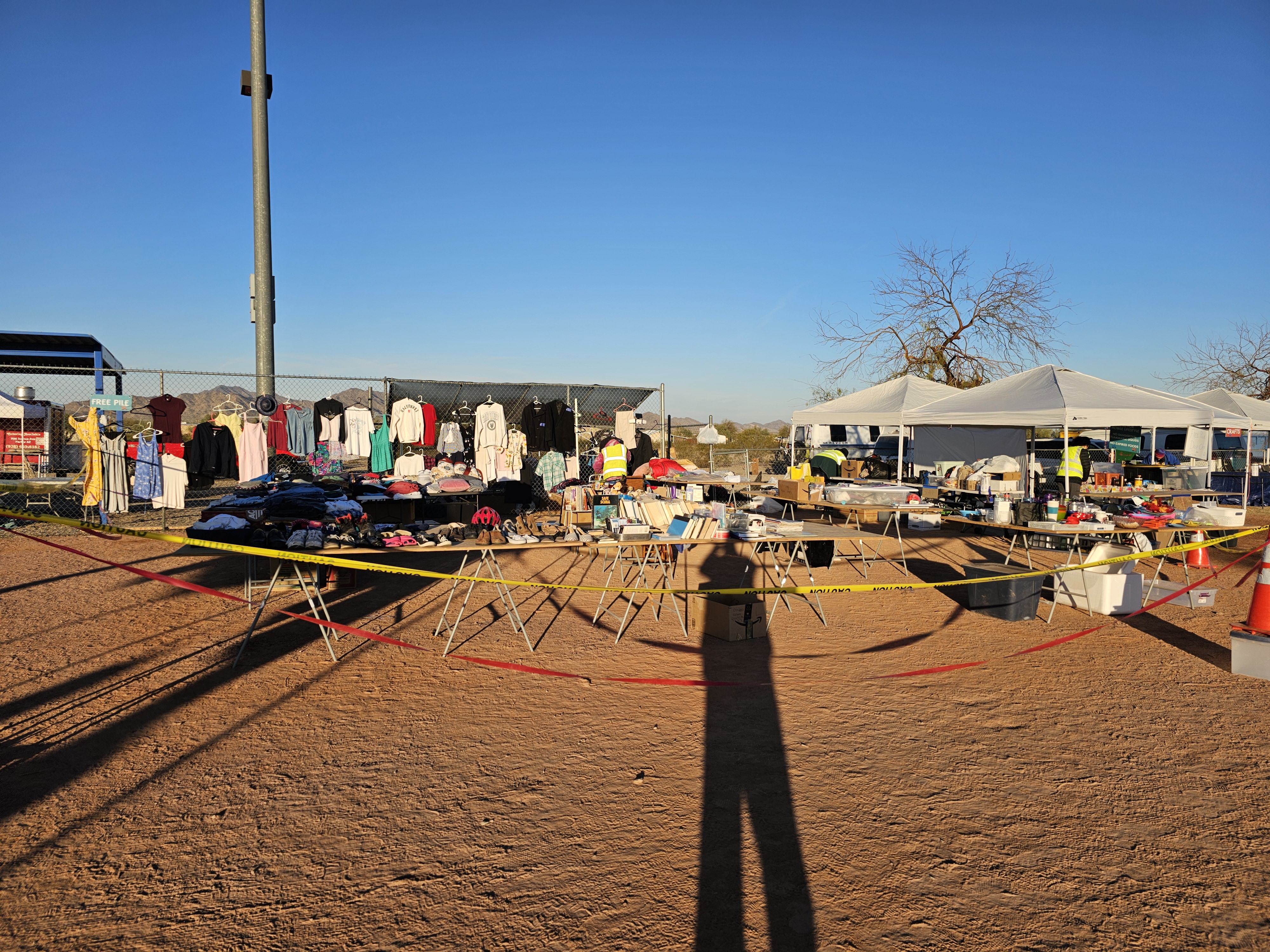
There are many volunteer opportunities at the RTR: parking, environmental services, games, crafts, sewing, and more. One of the most popular areas is the “free pile,” where donated items are made available to anyone who needs them.
I volunteered in the first aid tent, working 4–6 hour shifts over about six days. There were typically four of us staffing the tent, assisting with minor needs — splinters, bandages, wound cleaning — while always being prepared for more serious situations.
All first aid volunteers are required to be BLS certified. While the RTR draws a wide range of people, the demographic skews older. Many attendees don’t have regular access to preventative healthcare and rely on inexpensive, processed foods that store well in vehicles.
There has never been a major medical emergency at the RTR — but it’s not a matter of if, only when. When that day comes, the goal is to be ready.
More Than Just Camping
Beyond volunteering, the RTR offers rig tours, vendor booths, and access to resources. Solar and battery companies are present, along with organizations that provide cold-weather gear to those who need it. There’s a designated AA meeting area and even representation from the Department of Veterans Affairs.
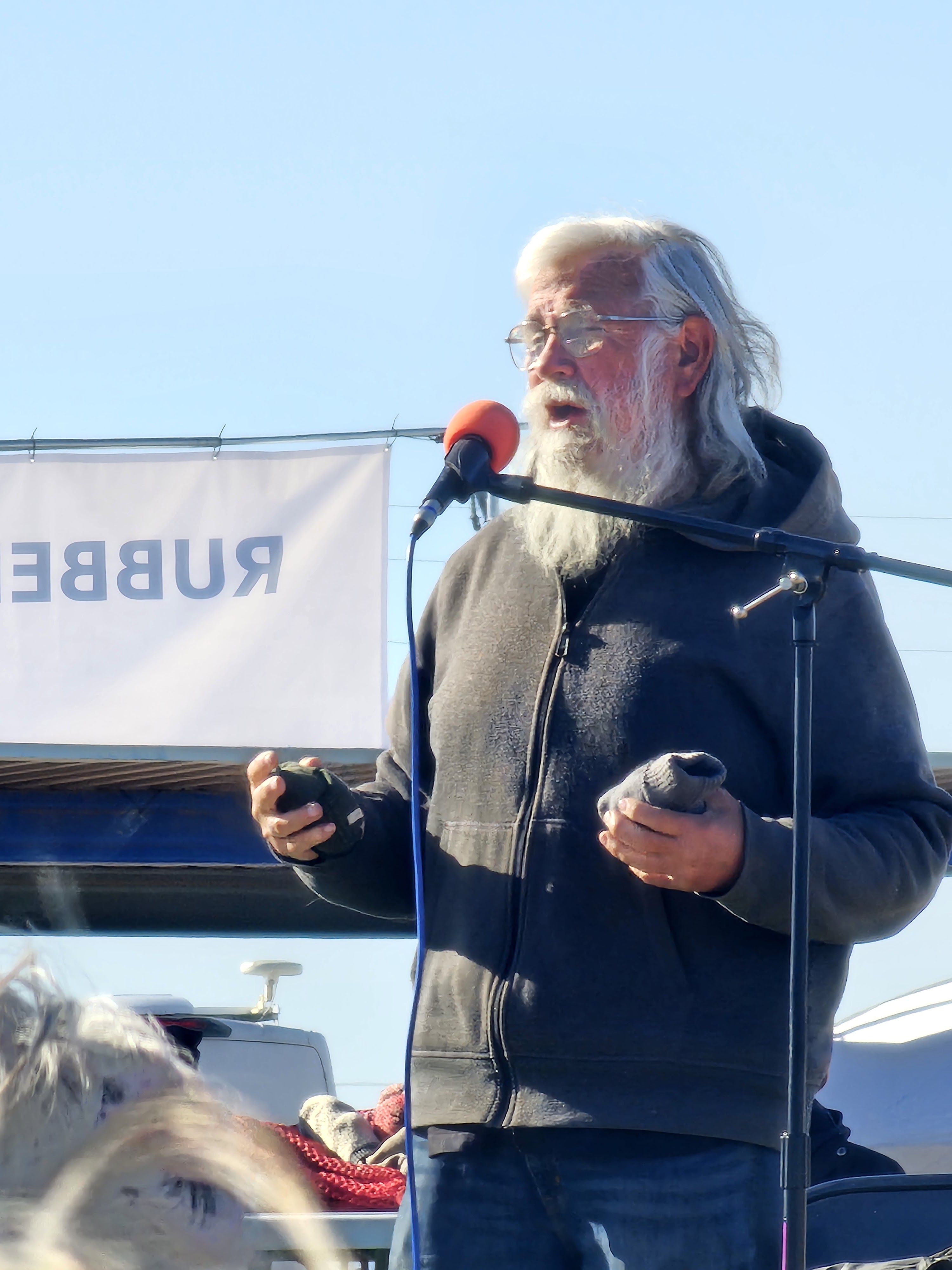
This year, I attended seminars ranging from solar cooking to spiritual well-being. Bob has also launched a newer channel called The Examined Life Daily, co-hosted with fellow nomad Autumn Jerumbo. Much of their discussion centers around Stoicism — a philosophy that has helped me personally with mental health challenges. I was genuinely glad to see those ideas being shared within this community.
Final Thoughts
If this lifestyle interests you — or if you’ve ever wondered whether it might — I encourage you to explore HOWA and Bob’s work. Whether you’re looking for information, connection, encouragement, or healing, these resources offer all of that and more.
For me, volunteering at the RTR reinforced something I already believed: this community is less about vehicles and destinations, and more about people showing up for one another.
 Bear Belly Adventures
Leave a comment